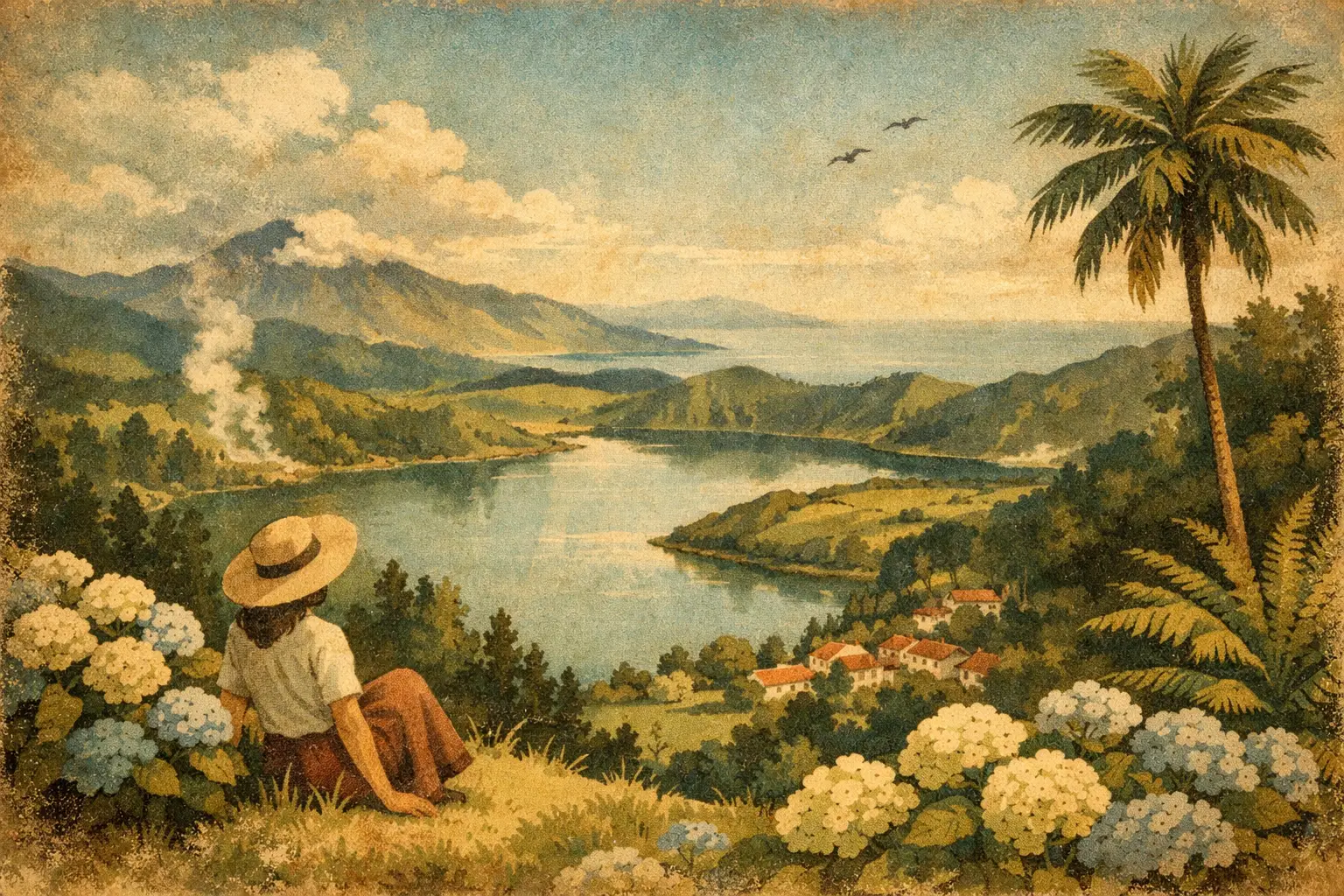
The first thing many travelers notice about São Miguel is not a landmark. It is the feeling. The air is softer, the hills seem to fold into the sea, and even a short drive can turn into a quiet pause you did not know you needed. This sao miguel island travel guide is for travelers who want more than a checklist – those looking for the right rhythm, the best areas to stay, and the kind of days that feel full without feeling rushed.
São Miguel is the largest island in the Azores, but it still feels intimate. You can cross meaningful parts of it in a day, yet the island resists being hurried. One moment you are standing above a green-and-blue crater lake, and the next you are walking through a seaside town where church bells, hydrangeas, and the scent of the ocean set the pace. The beauty here is generous, but it reveals itself best when you leave room to linger.
How to use this sao miguel island travel guide
Think of São Miguel in gentle regions rather than rigid stops. The west is known for dramatic viewpoints and Sete Cidades. The center gives you easier access to Ponta Delgada, day trips, and coastal villages. The east feels wilder and more spacious, with Furnas, waterfalls, and long scenic drives that reward an early start.
If your trip is three to four days, it helps to choose one base and make peace with missing a few corners of the island. If you have five to seven days, São Miguel becomes far more relaxed. You can dedicate full days to the west, the center, and the east, while still leaving time for long lunches, ocean swims, and the simple luxury of doing less.
Where to stay on São Miguel
Where you stay shapes the island you experience. Travelers who want restaurant options, easy arrivals, and a convenient base often choose Ponta Delgada. It works especially well for first-time visitors, couples who want evenings out, and families who prefer having shops and services close by. Staying here also makes it easier to balance nature with comfort, especially if you want scenic day trips without changing accommodations.
Furnas offers a different mood. It is greener, quieter, and more inward-looking, with geothermal steam rising from the earth and botanical gardens that feel almost dreamlike. If hot springs are central to your trip, an overnight stay here can be deeply rewarding. The trade-off is that you will be farther from some western highlights.
For travelers who want a slower, more residential atmosphere, smaller towns and countryside stays can be the best fit. Villas and larger homes suit multigenerational trips, while apartments and guest houses can give couples or smaller groups the comfort of a more personal retreat. On an island like São Miguel, having a stay that feels like a sanctuary is not an extra. It becomes part of the trip itself.
The best places to see
Sete Cidades is the view many people carry home in memory. The crater, the lakes, and the high green rim around them create one of the island’s most iconic scenes. Go early if you can. Clouds can shift quickly, and the difference between a clear morning and a foggy afternoon is real.
Furnas offers another side of São Miguel. Here the island feels warm from within. You will find steaming geothermal areas, lush gardens, and hot springs that invite you to slow your pace. It is also one of the best places to experience the island’s blend of wild landscape and cultivated calm.
Lagoa do Fogo is often the favorite for travelers who want something slightly less settled and more elemental. The lake feels protected, almost hidden, and the surrounding views carry a raw beauty. Conditions and access can vary, so flexibility matters.
The northeast deserves more time than many itineraries give it. This part of the island is rich with viewpoints, forested roads, and a feeling of distance from the busier western circuit. If you enjoy long scenic drives and fewer crowds, this region can become the quiet highlight of your trip.
What to do beyond the viewpoints
Viewpoints are part of São Miguel, but not the whole story. The island is best when you alternate between grand scenery and smaller pleasures. Spend one morning chasing crater views, then give the afternoon to a thermal bath, a coastal walk, or a meal that stretches into the late light.
Whale and dolphin watching is one of the most memorable experiences in the Azores, though conditions always depend on weather and season. Some days the sea is calm and generous. On others, the Atlantic reminds you that nature makes the rules here. That unpredictability is part of the island’s character.
Hiking can be as gentle or ambitious as you want it to be. Some trails lead to waterfalls and forested paths, while others offer open ridgelines and volcanic scenery. If you are traveling with children or older family members, it is worth mixing a few shorter walks with scenic drives. São Miguel rewards both.
Food also deserves space in your plans. Try local cheeses, sweet pastries, fresh fish, and the island’s cozido, slowly cooked underground by geothermal heat in Furnas. Tea plantations add another layer to the experience, especially if you enjoy places where landscape and tradition still feel closely tied.
Getting around the island
A rental car is the simplest way to experience São Miguel well. Public transportation exists, but it does not give most leisure travelers the freedom this island asks for. So much of the beauty lies between towns, at roadside overlooks, and along secondary roads where the journey itself becomes part of the day.
Driving is generally manageable, though roads can be steep, narrow, and misty in higher areas. Weather changes quickly. A sunny breakfast can turn into a cloud-covered afternoon in the mountains, then open again by the coast. That means the best approach is to keep your plans lightly held. If one viewpoint is hidden by fog, move on and return another day.
Parking is usually easier than in major city destinations, but popular natural spots can still get busy. Early starts help, especially in peak travel months.
When to visit São Miguel
São Miguel is beautiful year-round, but the kind of trip you want should shape your season. Spring brings lush green landscapes, flowers, and a fresh sense of renewal. Summer offers longer days and easier conditions for swimming, boating, and fuller sightseeing. It is also the busiest season.
Fall can be especially appealing for travelers who want softness rather than buzz. The island remains green, the temperatures stay pleasant, and some of the summer pressure begins to ease. Winter is quieter and moodier. You may find dramatic skies, fewer crowds, and a more contemplative version of the island, though weather can be less predictable.
There is no perfect month for everyone. If your dream trip centers on hot springs, scenery, and rest, shoulder season can be ideal. If you want beach time and the broadest range of tours, summer may suit you better.
A few practical notes that make a big difference
Pack layers, even in warmer months. São Miguel can offer sunshine, rain, and wind in a single day, especially if you are moving between elevations. Comfortable shoes matter more than fashionable ones, and swimwear is worth bringing even if thermal baths are only a maybe on your list. They have a way of becoming a yes.
Keep your itinerary spacious. Trying to see every lake, every village, and every lookout in a short trip can flatten the island into a series of car stops. Leave room for weather changes, long meals, and the occasional detour down a road that simply looks inviting.
If your stay is centered in or near Ponta Delgada, choosing accommodations with character and breathing room can make the whole trip feel more grounded. That is part of what thoughtful hosts understand well – on an island built around natural calm, where you return each evening shapes the memory almost as much as where you go.
São Miguel does not ask for urgency. It asks for attention. Watch the clouds move over the crater rim, stay a little longer in the warm water, and let one scenic road lead to the next. The island gives its best moments to travelers willing to meet it at that pace.